There's something inherently satisfying about spending time outdoors, especially in your garden, surrounded by nature while enjoying the company of family and friends. Whether it's a summer evening barbecue or a leisurely afternoon reading session, the garden is an ideal setting for relaxation and recreation. However, as the crisp air of UK evenings starts to creep in, it's crucial to ensure warmth without compromising the ambience. This is where patio heaters come into play. In this guide, we'll explore how to make smart choices concerning patio heaters, creating the perfect garden retreat.
Table of Contents
- Table of Contents
- Delving into the World of Patio Heaters
- Types of Patio Heaters
- Fuel Sources
- Integrating with Garden Furniture and Design
- Patio Heater Features to Look For
- Installation and Home Goods Considerations
- Complementary Products to Enhance Garden Experience
- Unique Selling Points of Our Range
- FAQs
Delving into the World of Patio Heaters
When it comes to patio heaters, there are numerous factors to consider: type, fuel source, size, and price. Understanding your needs and space constraints is key. This will ensure you select an option that seamlessly integrates with your existing garden furniture and enhances the overall vibe.
Types of Patio Heaters
- Freestanding Heaters: These are versatile and can be easily moved around your garden. They provide a significant amount of heat, making them excellent for larger areas.
- Tabletop Heaters: Ideal for smaller spaces or when the heat needs to be directed close to seating areas. They blend well with garden furniture without taking up much space.
- Wall-Mounted Heaters: Perfect for saving floor space. They provide focused heat and are excellent if you are looking to integrate heating into a fixed garden structure.
- Hanging Patio Heaters: Often electric, they are great for overhead heating without the bulk of ground-based units.
Each type of heater brings unique advantages, so consider how you plan to use your outdoor space before making a decision.
Fuel Sources
- Electric Patio Heaters: Easy to use and maintain, electric heaters are ideal if you desire a clean and efficient heat source without the hassle of refuelling. They're perfect for gardens equipped with accessible power outlets.
- Gas Patio Heaters: Recognisable by their tall, elegant design, gas heaters typically run on propane or natural gas. They provide instant heat, making them popular in larger gardens or open spaces.
- Infrared Heaters: Utilising radiation to heat objects directly rather than the surrounding air, these are highly efficient and can be cost-effective long-term.
- Wood-Burning Heaters: For those seeking authenticity and a more rustic vibe, wood burners are an excellent choice. They produce charming flames but require more attention in terms of fuel and smoke management.
Selecting the right fuel type is crucial to meeting both your Sport & Leisure needs in the garden while keeping eco-friendliness and budget in mind.
Integrating with Garden Furniture and Design

Your garden's existing design can significantly impact the type of patio heater you select. Consider how the heater will complement your garden furniture and contribute to a cohesive outdoor theme.
- Match Furnishings: Ensure that the style and colour of the patio heater harmoniously blend with your garden furniture. For inspiration on transforming your garden with stylish additions, explore our blog on Explore Garden Furniture: A Guide to Transformation.
- Positioning with Fire Pits: If you have or are considering adding fire pits to your garden, consider how these elements can work together. Fire pits provide a visual and thermal centrepiece but may require additional heating when needed. Learn more in Choosing the Right Fire Pit for Your Garden.
- Space Management: Broaden your use of space with clever additions. Compact and space-efficient setups, like the HOMCOM 3-Piece Bar Table Set, allow you to enjoy more utility without crowding the area.
Patio Heater Features to Look For
When selecting a patio heater, certain specifications can help fine-tune the choice for both comfort and efficiency.
- Heat Output: Measured in British Thermal Units (BTUs) or kW for electric heaters, this will determine how large of an area the heater can comfortably warm.
- Material: Ensure durability, especially if the heater will be exposed to UK weather. High-quality stainless steel or aluminium models are often more resilient.
- Safety Features: Automatic shut-off mechanisms and sturdy, heat-resistant finishes are vital for safety.
- Portability: Consider whether a portable model is better suited to your needs, especially if you'll be rearranging garden furniture often.
- Control Features: Adjustable heat settings or remote controls can significantly enhance convenience.
Installation and Home Goods Considerations
Patio heater installation can vary, with some requiring professional handling, particularly gas-based heaters. Many electric heaters, however, are simple to set up and plug in. It's always advisable to follow the manufacturer's guidelines for safe and efficient heater setup.
Explore our guide on Unmissable Home Goods: Essentials You Need Now for more insights into enhancing your garden with additional functionalities.
Complementary Products to Enhance Garden Experience

Creating the ultimate garden experience doesn't stop at heating. Integrating harmonious home goods and enhancements can elevate your outdoor space.
- Consider aesthetic additions like the HOMCOM Industrial Tripod Floor Lamp, which can bring a warm, inviting glow, complementing your heater's ambience.
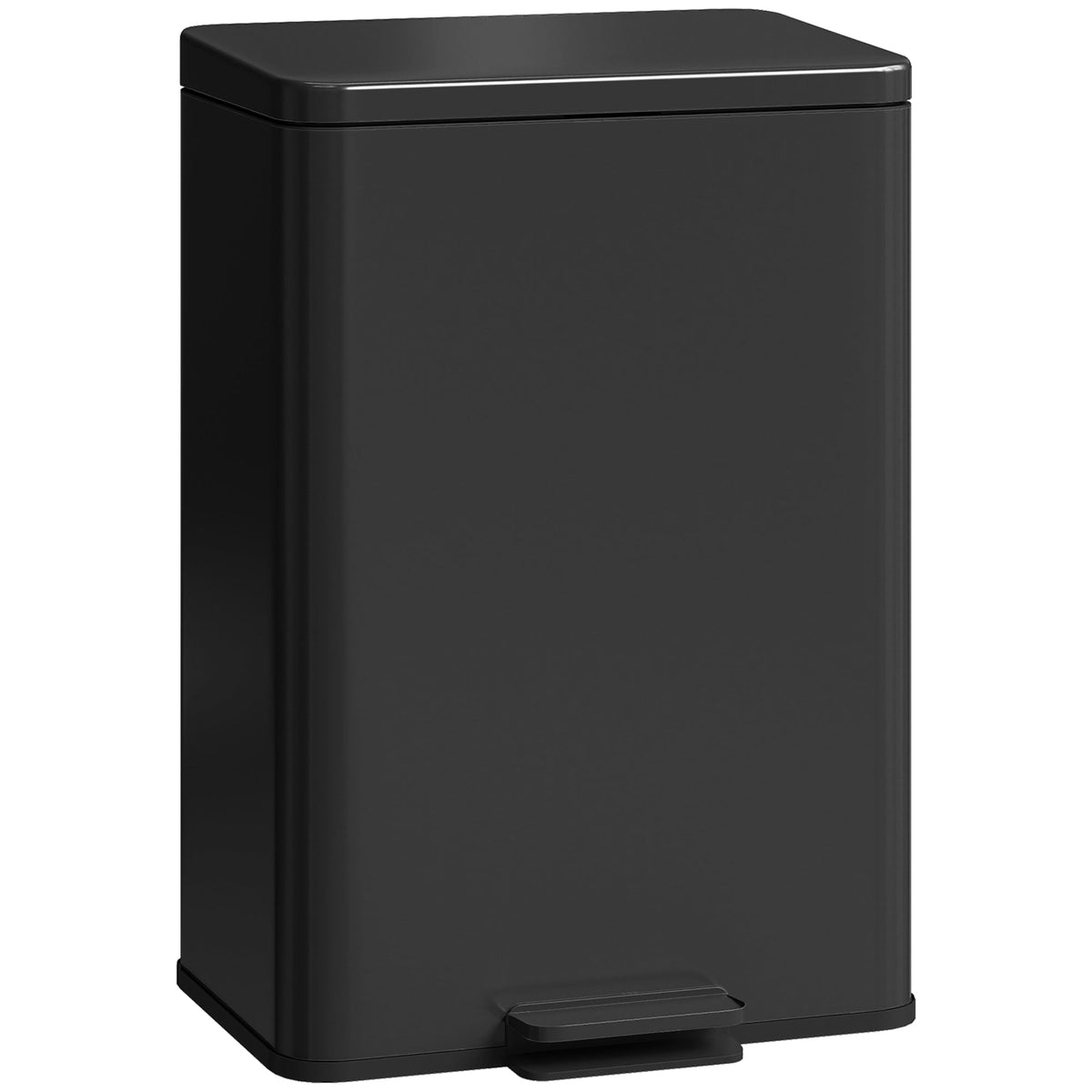
- Maintain cleanliness with the sleek HOMCOM 20L Kitchen Bin, ideal for both outdoor dining and everyday use.
- Keep your garden organised and stylish with the HOMCOM 6-in-1 Industrial-Style Hallway Organiser, versatile enough even for outdoor storage needs.
Unique Selling Points of Our Range
Why choose our selection of patio heaters? We pride ourselves on offering a diverse range tailored to all tastes and requirements. From eco-friendly electric options with minimal maintenance to stylish, high-heat gas heaters, our collection promises quality and longevity.
Our products are designed to complement both traditional and contemporary gardens, ensuring integration into any aesthetic. Additionally, we offer comprehensive guides and customer support to ease installation and maximise your pet supplies, garden, and leisure experience.
For a complete overview of our offerings and more inspiration, visit our North Peak Gardens site. Let us help you craft the perfect, cosy corner in your garden that balances warmth and style year-round.
FAQs
What are the different types of patio heaters available?
There are several types of patio heaters including electric, propane, and natural gas models. Each type has its own advantages and heating properties, allowing you to choose based on your outdoor space and heating needs.
How much area can a patio heater effectively warm?
The heating capacity of a patio heater typically ranges from 10 to 20 feet in diameter, depending on the model and fuel type. In general, larger heaters provide a wider heat coverage, making them suitable for bigger spaces.
Are patio heaters safe to use?
When used properly, patio heaters are safe. It’s essential to follow the manufacturer's instructions, maintain a safe distance from flammable materials, and never leave a heater unattended while in use.
Can patio heaters be used in all weather conditions?
Most patio heaters can withstand light rain, but it’s advisable to protect them from heavy precipitation and strong winds. Consider using a cover when not in use to prolong their lifespan and performance.
How do I choose the right patio heater for my outdoor space?
Consider factors such as the size of your outdoor area, the type of fuel you prefer, portability, and whether you want a freestanding or tabletop model. It’s also important to think about design and aesthetics to complement your space.
What is the fuel efficiency of patio heaters?
Fuel efficiency varies by the type and size of the heater. Electric heaters tend to have lower operational costs, while propane and natural gas models can provide higher heat output but may incur additional fuel costs.
Can I use a patio heater indoors?
It is not recommended to use outdoor patio heaters indoors as they produce carbon monoxide and require proper ventilation. Always ensure that heaters are designated for outdoor use only.
How do I maintain my patio heater?
Regular maintenance includes cleaning the burner and reflector, checking for gas leaks if applicable, and ensuring electrical connections are secure. Seasonal storage should involve covering the heater or moving it to a sheltered area.
What is the average lifespan of a patio heater?
The lifespan of a patio heater can vary based on its quality, usage, and maintenance. Generally, well-maintained heaters can last anywhere from 5 to 15 years, depending on their material and construction.